Many 1960s homes across Birmingham are traditionally built and remain perfectly serviceable, but they often require careful checking before purchase. Issues such as roof maintenance, sub-floor ventilation, condensation, older services and extension documentation can all affect a buyer’s decision-making.
This case study explains the findings in plain English. It is not a substitute for a full RICS survey, but it shows the type of practical information a buyer can gain from a Level 2 Home Survey.
1. Cracked roof tiles and ageing ridge mortar
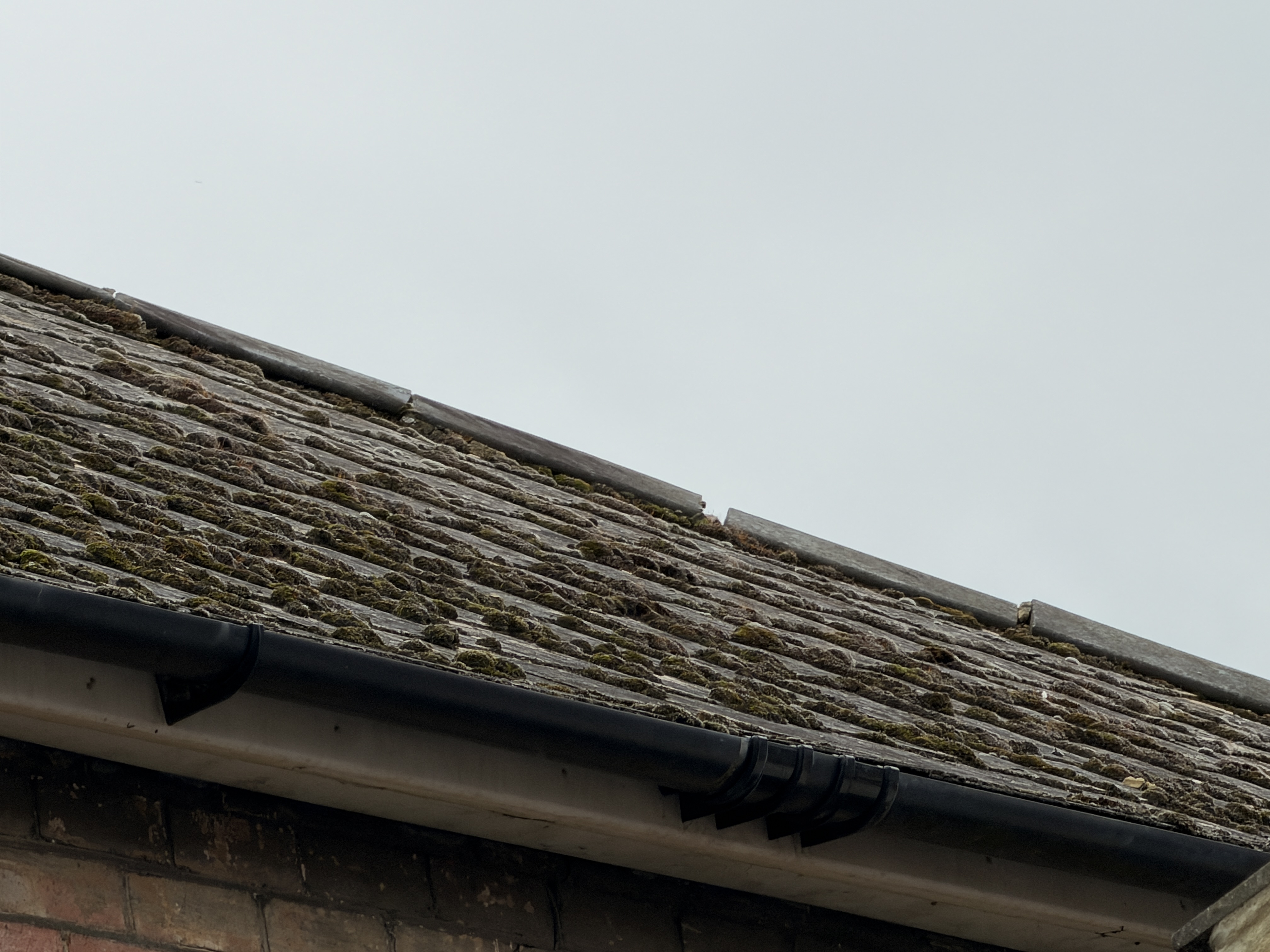

The pitched roof was covered with interlocking concrete tiles. The roofline appeared generally level, but the inspection identified cracked tiles to the front roof slope and areas of ridge mortar deterioration.
These are common maintenance findings in houses of this age. The recommended next step was to obtain roofing contractor advice and quotations for localised repair before committing to purchase.
2. Moss and valley maintenance
Moss growth was present on the roof slopes. This was not unusual for a property of this age and type, but moss can slow rainwater run-off and contribute to gutter blockage if it becomes excessive.
The front extension included lead valleys, which appeared satisfactory at the time of inspection. However, valley gutters can become blocked by leaves, moss, snow or ice, so periodic maintenance is important.
3. External walls, damp proof course and air bricks


No significant structural movement was noted to the main wall elevations. A localised crack was identified above a front bedroom window and was recommended for monitoring.
The report also noted that external ground levels were locally higher than usually recommended relative to damp proof course level. In addition, some air bricks were partially obstructed. This matters because suspended timber floors need good ventilation to help reduce the risk of dampness, condensation and timber decay.
4. Condensation and ventilation around windows

The replacement uPVC double-glazed windows appeared generally serviceable, with no misting noted at the time of inspection. However, localised mould growth was identified around some internal window frames and reveals.
This was not considered a window defect in itself. It was more likely linked to internal humidity and limited ventilation, which is a common issue in occupied homes with modern sealed windows.
5. Roof void ventilation, insulation and extractor ducting

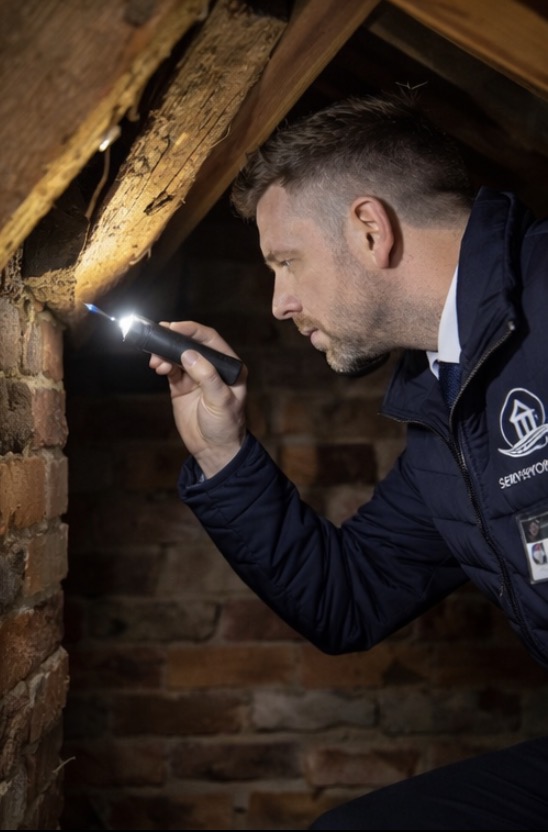
The roof structure was of traditional cut timber construction and appeared generally serviceable where visible. However, the bathroom extractor fan ducting was poorly connected in places, with taped joints and restrictions. Uninsulated ducting can also increase condensation risk within the roof void.
Loft insulation was present, but the approximate depth was below current recommended standards. Electrical cabling beneath insulation should also be reviewed as part of the recommended electrical inspection.
6. Ceiling finishes and hidden defects

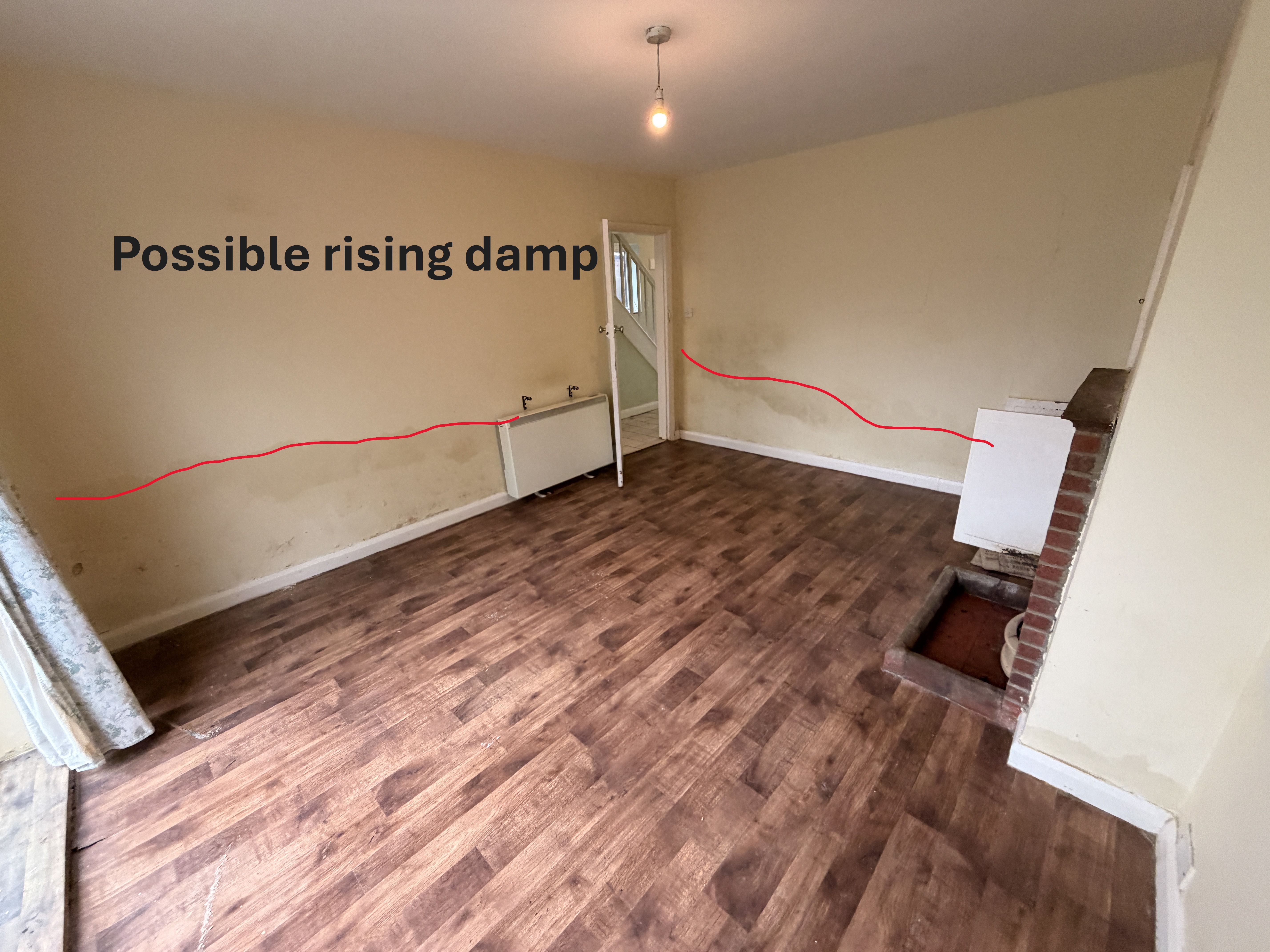
The ceilings were generally serviceable, but some minor cracking and decorative coverings were noted. Woodchip, embossed paper and uPVC ceiling cladding can conceal defects, so care should be taken if these finishes are removed during future refurbishment.
7. Services and further checks
As with all Level 2 Home Surveys, the building services were visually inspected only and not tested. The report recommended precautionary checks of the electrical installation, gas installation and heating system.
For many Birmingham buyers, service checks are an important part of due diligence, especially where documentation is incomplete or the installation history is unclear.
8. Extension documentation
The property had been altered by way of a front ground floor extension. No obvious signs of inadequacy were noted, but the report recommended that the buyer’s legal adviser confirm whether relevant planning permission, Building Regulations approval and completion documentation were available.
Why this matters for Birmingham buyers
This survey is a good example of why a viewing alone is not enough. The property was broadly serviceable, but the Level 2 survey identified sensible follow-up items including roof repairs, ventilation improvements, air brick clearance, service testing and legal documentation checks.
Severn Surveyors carries out RICS Level 2 Home Surveys, RICS Level 3 Building Surveys and drone roof inspections across Birmingham, Worcestershire, the West Midlands and the wider Midlands region.
Frequently Asked Questions
Is a Level 2 Home Survey suitable for a 1960s terraced house?
Yes. A RICS Level 2 Home Survey is often suitable for conventional properties built using standard construction methods, provided the property is not significantly altered, unusually complex or in very poor condition.
Are cracked roof tiles serious?
Cracked roof tiles are often repairable, but they should not be ignored. Replacing damaged tiles helps reduce the risk of water ingress and further deterioration.
Why are blocked air bricks important?
Air bricks help ventilate the space beneath suspended timber floors. If they are obstructed, moisture and condensation risk can increase, potentially affecting timber elements over time.
Does a Level 2 survey test electrics or gas?
No. A Level 2 survey includes a visual inspection of accessible service components only. Specialist testing by qualified contractors is recommended where appropriate.
Need a Home Survey in Birmingham?
Severn Surveyors provides RICS Level 2 Home Surveys, RICS Level 3 Building Surveys and drone roof inspections for buyers across Birmingham and the wider Midlands.
Helping You Buy With Confidence.
Request a quote today or read more about our RICS Level 2 Home Survey service.