
Buying a property is exciting, but it is also the point where reality starts to creep in. Most buyers hope a survey will tell them everything is fine. In practice, a survey does something more useful than that. It provides clarity.
Roofs are one of the biggest hidden costs
From the ground, a roof can appear perfectly acceptable. Once inspected more closely, particularly with the benefit of a drone where suitable, a different picture often emerges. This is one of the most common areas where problems go unnoticed during viewings.
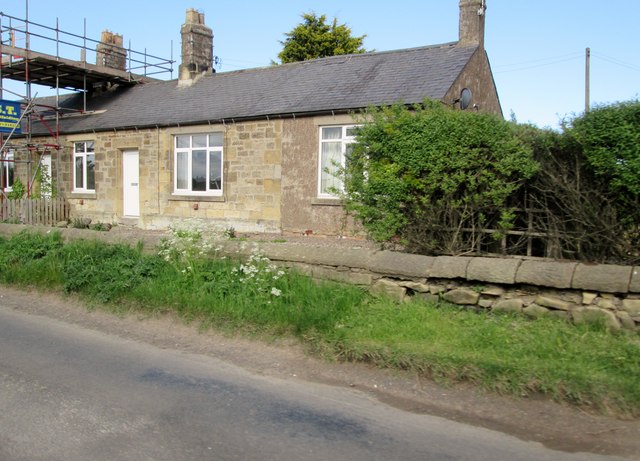
- Slipped, cracked, or displaced tiles at eaves level
- Heavy moss growth retaining moisture against tile surfaces
- Weathered ridge mortar and deteriorated verge details
- Defective lead flashings around chimneys and abutments
Any one of these issues on its own may be manageable. Together, they can point towards a covering that requires maintenance sooner than expected. Understanding that before exchange is far better than discovering it after completion.
Damp is common, but the cause matters more than the symptom
Damp is one of the issues buyers worry about most, and one of the things that is most often misunderstood. In many cases, what is casually described as rising damp is actually related to poor drainage, high external ground levels, defective rainwater goods, or limited ventilation internally.

- Bridging of the damp proof course by raised paths or flower beds
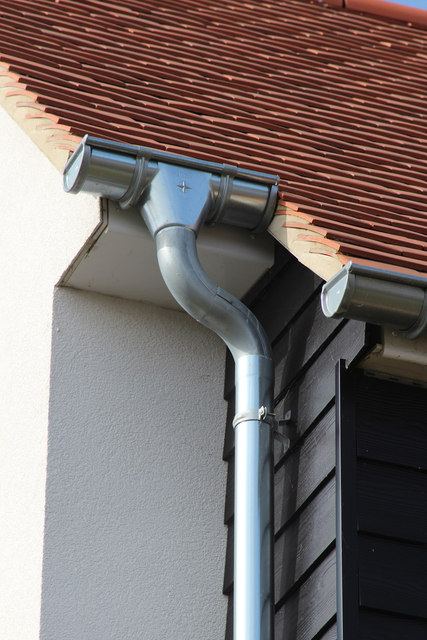
- Leaks from gutters and downpipes saturating wall surfaces
- Condensation caused by poor airflow and modern living patterns
- Hard cement repairs trapping moisture within older masonry
The real value of a survey is not simply pointing to moisture, it is helping to identify the likely source. That distinction matters when budgets and negotiations are involved.
Alterations can introduce uncertainty
Many properties have been altered over the years. Knocked through openings, removed chimney breasts, loft changes, and rear extensions are all common. Some work is carried out properly, while some appears with no obvious evidence of a clear structural design.

- Removed chimney breasts with support that cannot be fully confirmed
- Open plan layouts where lintels are concealed or unclear
- Roof alterations using non-standard timber arrangements
- Extensions where paperwork or approvals are not readily available
These findings do not automatically mean the property is unsound. They do mean that a buyer should understand the risks, the limitations of a visual inspection, and when further investigation or paperwork checks are sensible.
Services are critical, and mostly hidden
Electrical installations, gas appliances, drainage, and plumbing can all have a major effect on cost and safety, yet most of the system is concealed. A survey will comment on visible parts, but it will not replace specialist testing.
- Older consumer units that may require upgrading
- Boilers nearing the end of their serviceable life
- Drainage concerns where inspection chambers are limited or inaccessible
- Signs of historic leakage, corrosion, or poor alterations to pipework
This is where sensible recommendations can protect a buyer. Further testing is not an unnecessary extra. It is often the most practical next step when visible clues suggest hidden risk.
What a survey really gives you
A survey is not there to scare you off. It is there to help you proceed with your eyes open. In some cases, the findings may support a renegotiation. In others, they simply help you plan for future maintenance and avoid nasty surprises.
The strongest buyers are usually not the ones who find flawless houses. They are the ones who understand exactly what needs doing, what can wait, and where further checks are sensible before they commit.
Need clear advice before you commit?
Explore the survey options below, or request a fixed fee quote if you already know which service is likely to suit the property.