07355 731092
Back to homepage
RICS survey costs and fixed fee quotes

House Survey Cost Guide

Compare Level 2 Home Survey costs, HomeBuyer Report fees and Level 3 Building Survey prices before you instruct a residential survey.

Many buyers still search for a HomeBuyer Report, which is now commonly referred to as a RICS Level 2 Home Survey. This page also explains when a more detailed Level 3 Building Survey may be the better option, with guide prices and links to the relevant survey pages.

G
5.0
★★★★★
5 star rated on Google
RICS regulated firmClear fixed feesLevel 2 and Level 3 surveysDrone roof inspection includedFollow up support
Read Google reviews
Residential surveyor inspecting a property
Independent survey advice

Clear Advice Before You Buy

Severn Surveyors Ltd provides independent RICS Home Surveys for buyers who want clear, practical advice before committing to purchase.

The report explains the condition of the property, key risks, matters requiring further investigation and issues your legal adviser may need to check before exchange of contracts.

Level 2 vs Level 3 Survey Costs

The right survey depends on the age, construction, condition and complexity of the property, not just the purchase price. A cheaper survey is not always the right survey if the property is older, altered or more complex.

Survey typeUsually suitable forWhat it providesTypical guide prices
RICS Level 2 Home SurveyModern or conventional houses, flats and bungalows that appear to be in reasonable condition. This is the modern equivalent of what many buyers still call a HomeBuyer Report.Condition ratings, significant defects, urgent matters and practical advice before purchase.From around £400, depending on the property value and details.
RICS Level 3 Building SurveyOlder, extended, altered, larger or more complex properties, including homes where works are planned or where more detailed advice is required.More detailed inspection and reporting, with commentary on defects, likely causes, risks and repair considerations.From around £400 to £1,200+, depending on the property value and details.

Which Survey Should You Choose?

The cost matters, but choosing the correct survey level is usually more important than choosing the cheapest option.

Choose a Level 2 Home Survey if...

The property is relatively modern, conventionally built and appears to be in reasonable condition. This is often the right choice where buyers want clear condition ratings, significant defects and practical next steps.
Choose a Level 3 Building Survey if...

The property is older, extended, altered, non-standard, visibly defective or you are planning works after purchase. A Level 3 survey provides more detailed commentary on construction, defects, likely causes and repair considerations.

Not sure?

Send the property address, age, type and any concerns. We will advise whether a Level 2 or Level 3 survey is likely to be more appropriate before you instruct.

Survey Cost Comparison

A Level 2 survey gives a clear overview. A Level 3 survey provides deeper analysis where the property risk justifies a more detailed report.

FeatureLevel 2 Home SurveyLevel 3 Building Survey
Best suited toConventional homes in reasonable condition.Older, altered, extended or more complex homes.
Condition ratingsIncluded.Included.
Defect adviceClear advice on significant visible defects and risks.More detailed explanation of defects, likely causes and repair considerations.
Repair planningUseful for repair priorities and budgeting.More suitable where works, alterations or significant repairs are anticipated.
Typical costUsually lower.Usually higher due to the additional inspection and reporting detail.
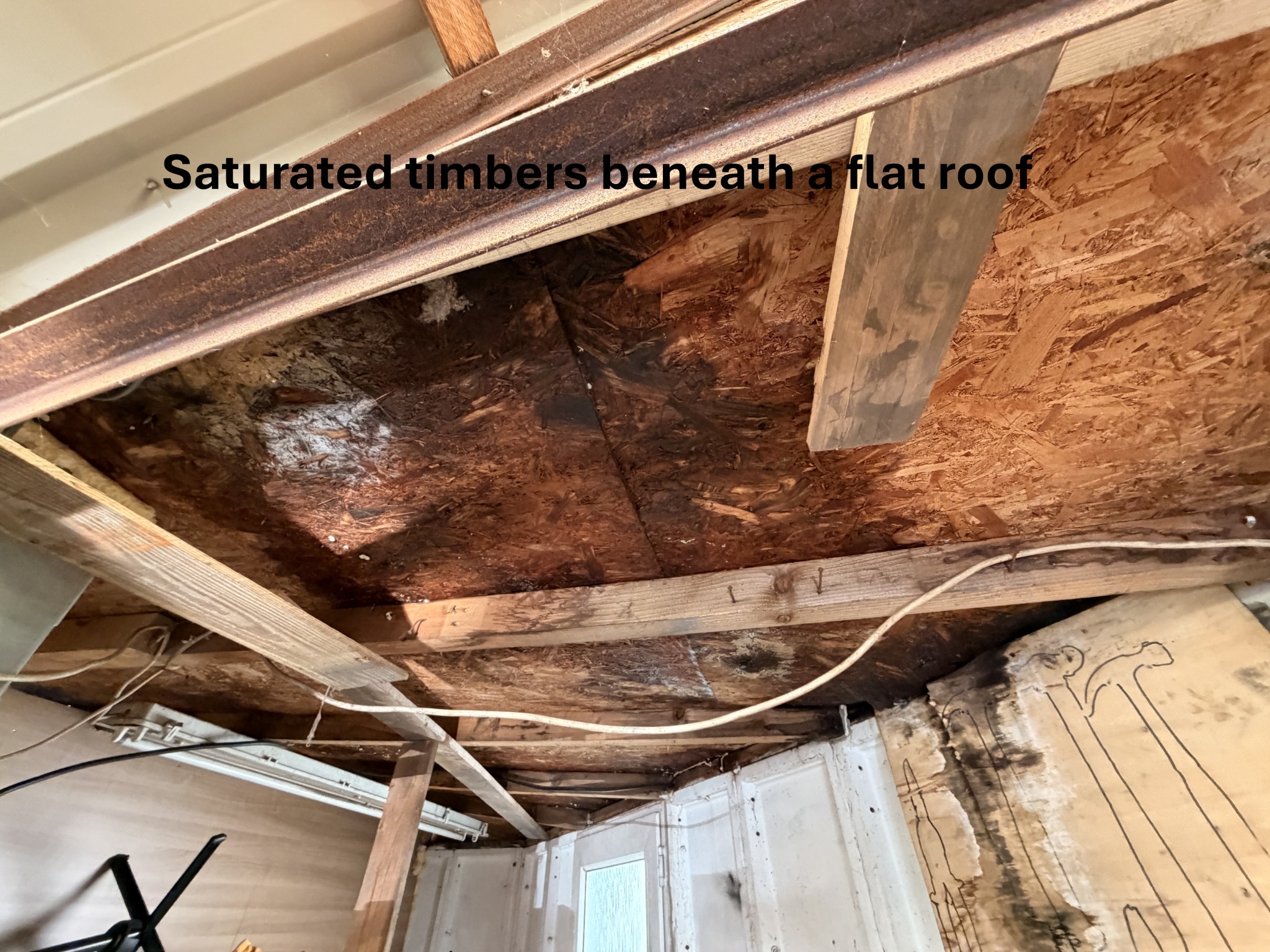
Saturated roof timbers identified during a residential survey
Why survey costs matter

A Survey Could Save Thousands Of Pounds

A survey is not just a formality. It can identify defects that may not be obvious during a viewing, including roof leaks, timber decay, dampness, poor alterations, drainage concerns and safety issues.

Understanding these matters before exchange can help you make an informed decision, seek further advice, obtain quotations or reconsider the purchase if significant risks are identified.

Common Issues Found During Home Surveys

Real examples of issues that can affect repair costs, negotiation and your decision before exchange.

Rotten roof structure beneath roof coverings

Roof defects and concealed decay

Roof coverings, flat roof details and concealed timbers can deteriorate, leading to hidden decay and costly repairs.

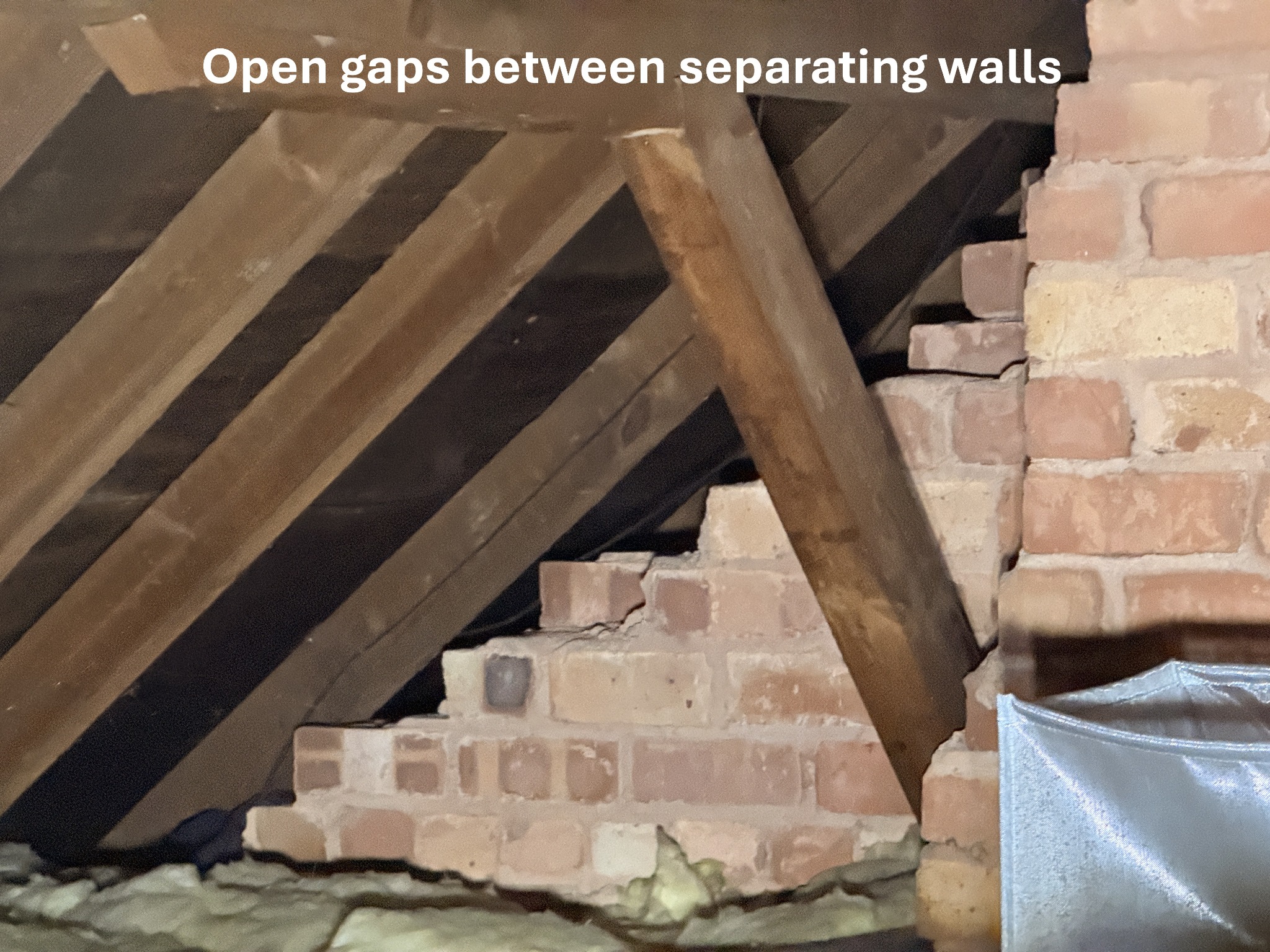
Open gaps between separating walls in a roof space

Fire separation issues

Open gaps between separating walls may affect fire protection and require further advice.

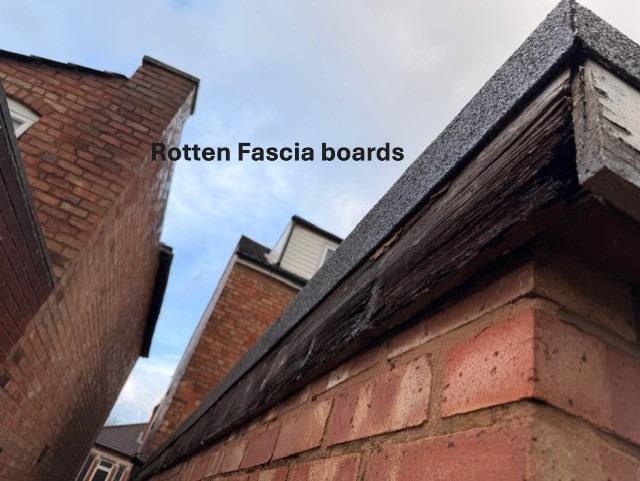
Rotten fascia boards at roof level

Defective roofline components

Rotten fascias, soffits and roofline details can indicate poor maintenance and further hidden deterioration.

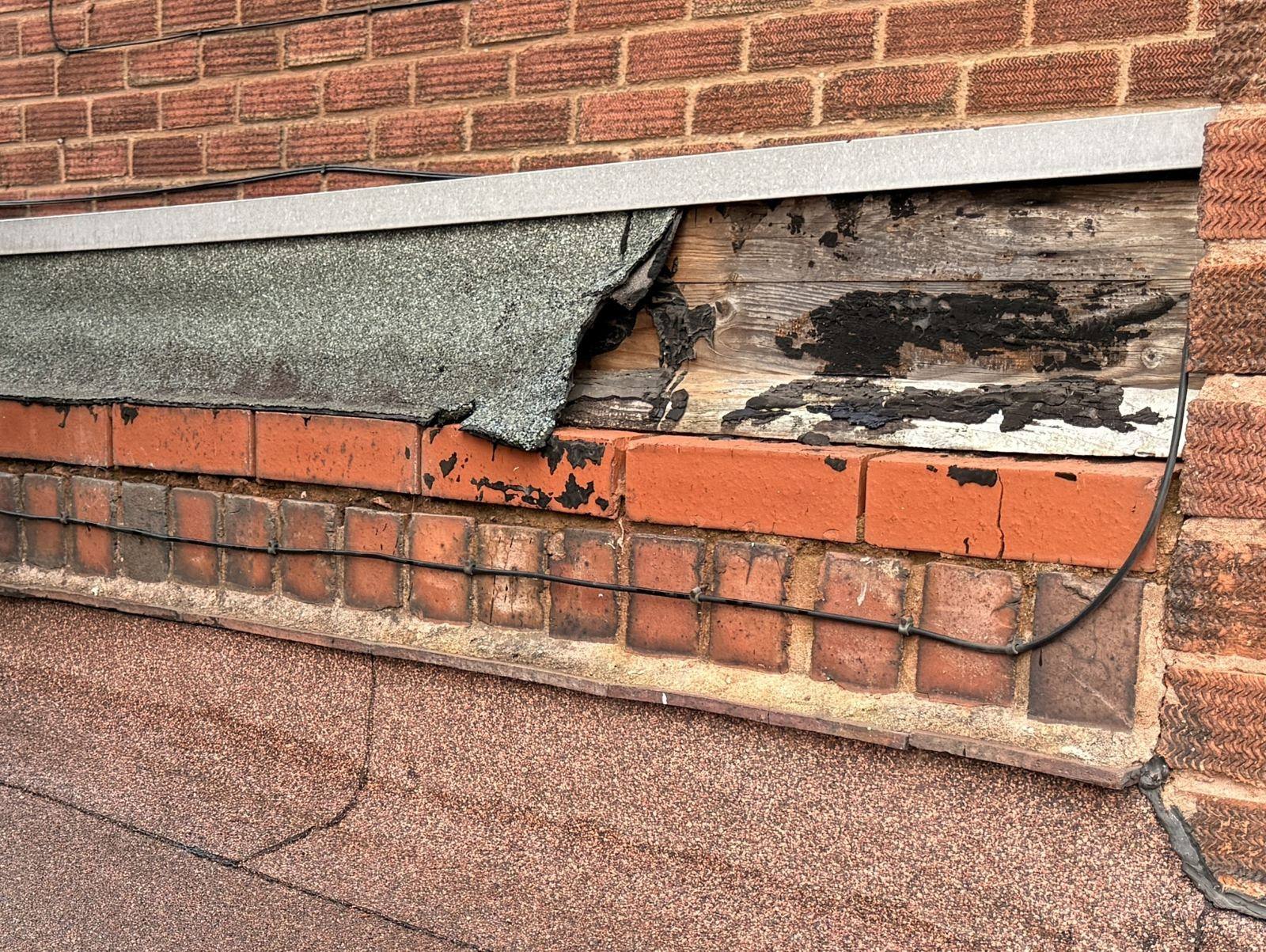
Verge mortar erosion at roof edge

Roof maintenance defects

Eroded verge mortar and open joints can allow water penetration and may require repair.

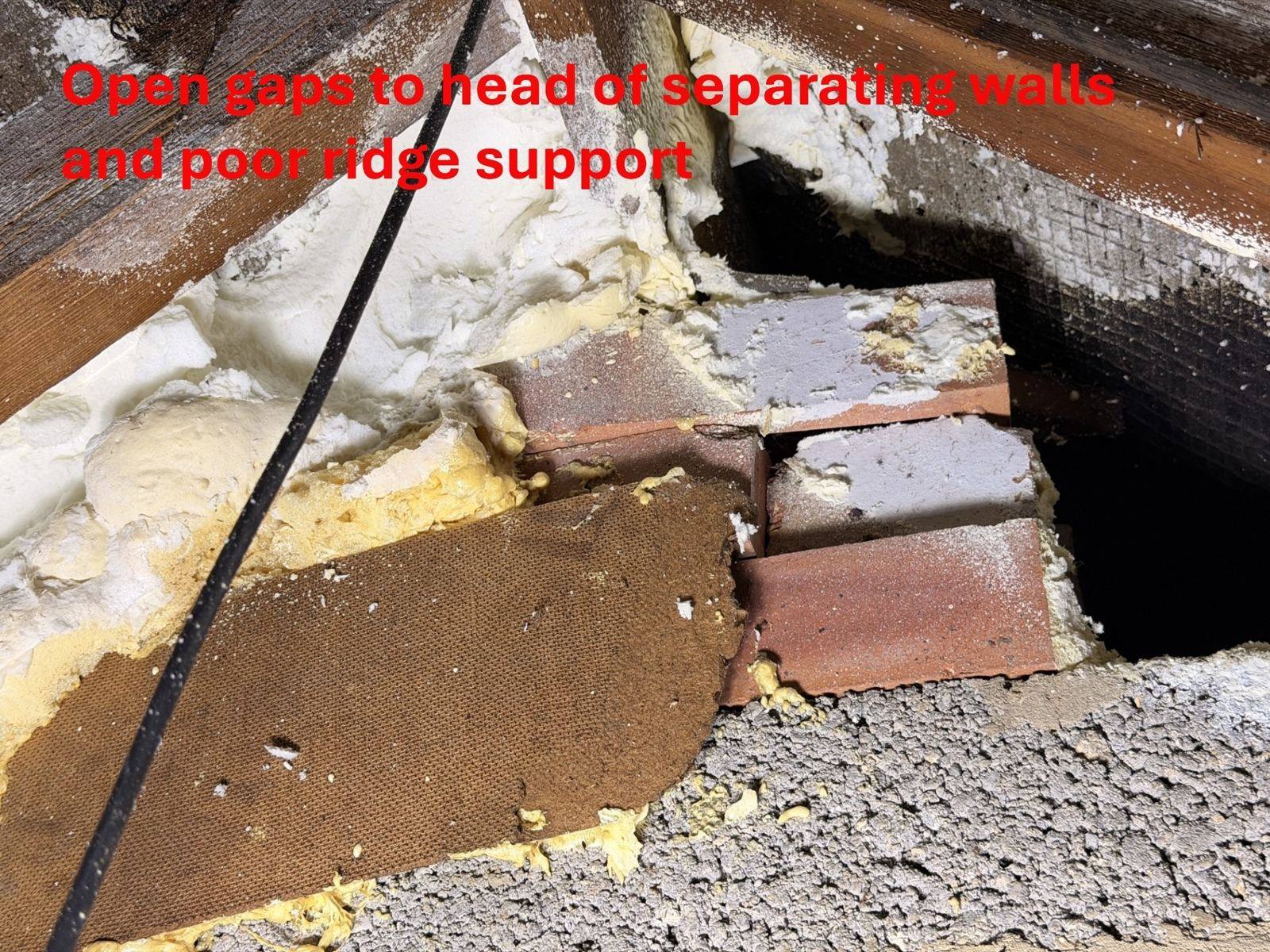
Open gaps to head of separating walls

Loft fire separation defects

Missing or incomplete separating walls can be a significant safety and legal consideration.

What Can Affect The Cost Of A Survey?

Survey fees vary because every property is different. A fixed fee quotation should reflect the property, the survey level required and the amount of inspection and reporting needed.

Property type and age

Older, larger, extended or altered properties usually require more inspection time and more detailed reporting.

Construction and complexity

Non standard construction, complex roof forms, loft conversions, cellars and unusual alterations can affect the appropriate survey level.

Survey level required

A Level 3 Building Survey usually costs more than a Level 2 Home Survey because it provides more detailed inspection and reporting.

What A Survey Can Identify

A residential survey helps you understand the property before you commit to purchase.

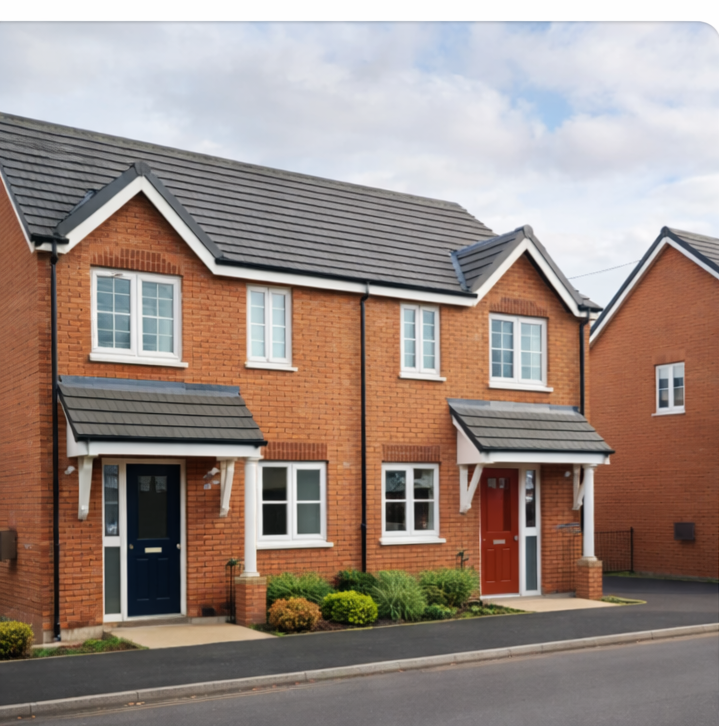
Modern residential property

Condition and repair risks

Roof defects, dampness, cracking, timber decay, poor workmanship and drainage concerns may all affect cost and risk.

Moisture affected roof timbers

Hidden defects

Some issues are not obvious during a viewing and may only become apparent from a structured inspection.

Roof space separating wall defect

Legal and safety matters

The report may identify matters your legal adviser should check, including alterations, documentation and safety related issues.

HomeBuyer Report Cost FAQs

Common questions about Level 2 Survey costs, Building Survey prices and what is included.

How much does a HomeBuyer Report cost?

A HomeBuyer Report is now commonly referred to as a RICS Level 2 Home Survey. The guide price checker on this page shows typical prices by property value band, but final fees depend on the property details.

How much does a Level 2 Survey cost?

Level 2 Home Survey costs usually depend on the property value, type, size, location and complexity. You can read more on our Level 2 Home Survey page.

How much does a Level 3 Building Survey cost?

A Level 3 Building Survey usually costs more than a Level 2 survey because the inspection and report are more detailed. You can read more on our Level 3 Building Survey page.

Should I choose a Level 2 or Level 3 survey?

A Level 2 survey is often suitable for modern or conventional properties in reasonable condition. A Level 3 survey is usually better for older, altered, extended, non-standard or visibly defective properties.

Is a Level 3 survey worth the extra cost?

It can be, particularly where the property is older, altered or where repairs are likely. The extra detail can help you understand risk, likely causes and repair considerations before exchange.

Does the survey include the roof?

Roof inspection forms part of the survey. Drone support is used where suitable, safe and weather permitting, although access, weather and local restrictions can affect what can be inspected.

What happens if defects are found?

The report will explain significant defects, risks and recommended next steps. This may include obtaining quotations, asking your legal adviser to make enquiries or arranging specialist investigation before exchange.

Can you advise which survey I need?

Yes. Send the property address, approximate age, construction type and any concerns, and we will advise whether a Level 2 or Level 3 survey appears more suitable.

Trust and professional standards
RICSGoogle ReviewsFixed FeesDrone Support

House survey cost, Level 2 survey cost and Level 3 survey cost

This page is designed to help buyers compare typical house survey costs, property survey costs, home survey costs, Level 2 Survey costs and Level 3 Survey costs.

A Level 2 Survey is usually the lower-cost option for conventional properties in reasonable condition. A Level 3 Survey normally costs more because it involves a more detailed inspection and a more extensive report.

Common cost questions

How much does a house survey cost?

The final fee depends on the property type, size, age, value, complexity and location. For an accurate price, request a fixed fee quote before booking.

How much is a HomeBuyer Survey?

A HomeBuyer Survey is commonly referred to as a Level 2 Survey. The cost varies by property, but it is usually less than a Level 3 Building Survey.

What affects the cost of a survey?

Older homes, larger properties, unusual construction, outbuildings, extensive alterations and complex defects can increase the inspection time and the survey fee.

Compare our Level 2 Survey and Level 3 Survey services to decide which is likely to be most suitable.

Buying a house survey cost

The cost of a survey when buying a house depends on the type of survey, the property's size, age, condition and location. A Level 2 Survey is commonly used for more straightforward homes, while a Level 3 Survey is more detailed and usually costs more.